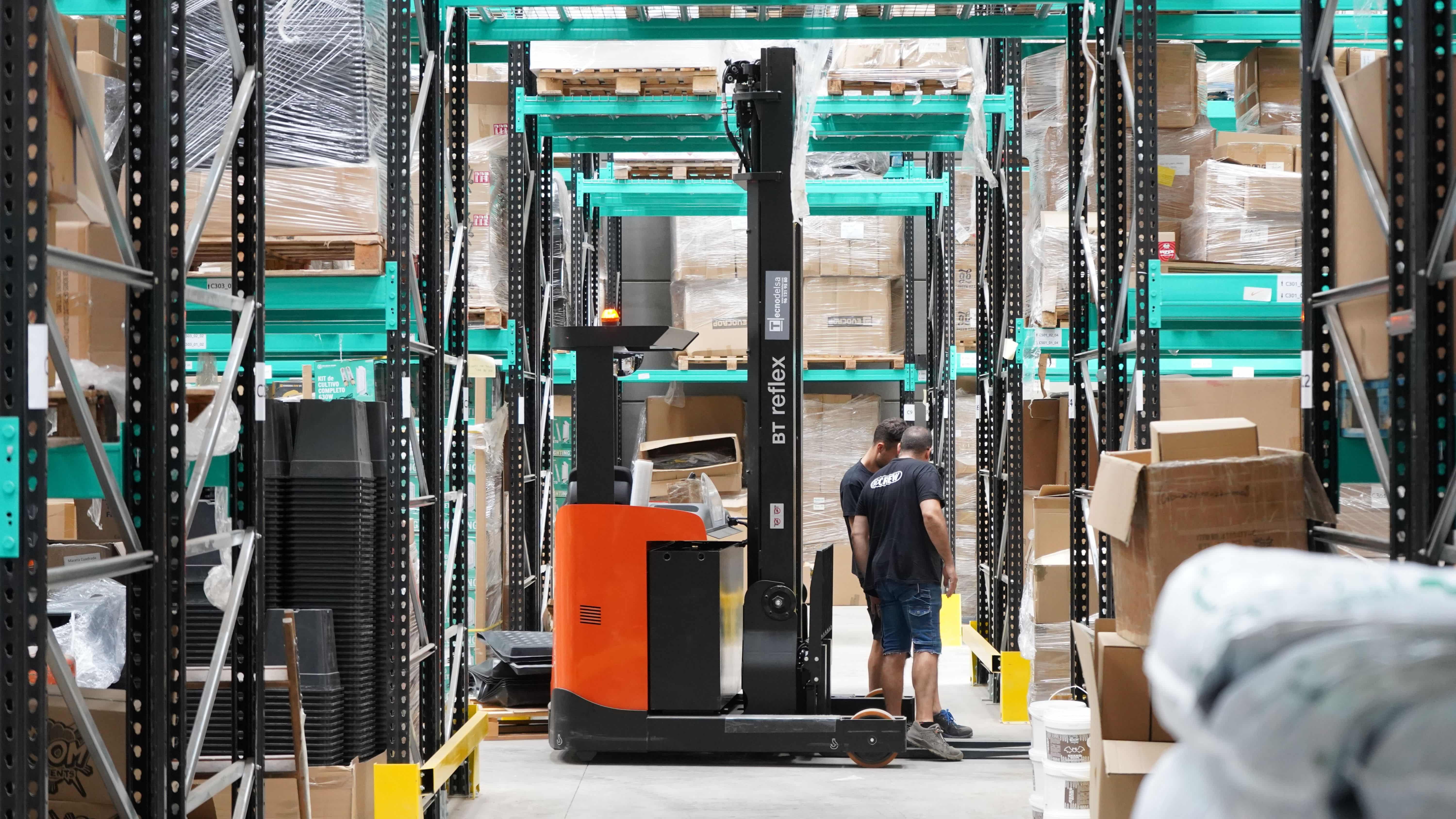
Ecommerce fulfilment services in the UK: what they are and why more brands are outsourcing
Ecommerce fulfilment services explained: what's included, how outsourcing works, and why more UK brands are moving fulfilment off-site.
Published
Running fulfilment in-house gets harder as an ecommerce business grows, not easier. More orders means more warehouse space, more staff, more carrier accounts to manage and more that can go wrong at peak times. Ecommerce fulfilment services solve this by moving the storage, picking, packing and dispatch process to a specialist provider, so growth doesn't mean a bigger operational headache every time volumes rise.
What are ecommerce fulfilment services?
Ecommerce fulfilment services cover the physical side of getting an order from your stock to your customer's door: storing inventory, picking and packing each order, dispatching it with the right carrier, and handling the return if the customer sends something back. It's sometimes called 3PL fulfilment (third party logistics), since it's a third-party provider doing the physical work on your behalf, though fulfilment specifically refers to the pick, pack and dispatch process rather than the broader logistics category.
For a growing ecommerce brand, the alternative is usually a self-managed warehouse: your own space, your own staff, your own carrier contracts, and your own systems for tracking stock and orders. That works at a small scale, but the cost and complexity tend to climb faster than the order volume does.
How ecommerce fulfilment services work
CSM's London-based fulfilment centre handles the full pick, pack and dispatch process for UK ecommerce businesses:
- Stock is retrieved from your current location and transferred into the CSM warehouse
- Your ecommerce platform integrates directly, so orders import automatically rather than needing manual entry
- Each order is picked and packed to your specification
- Orders dispatch via CSM's multi-carrier network (UPS, DHL and DPD), routed to the most suitable carrier for each destination
- Every order carries full end-to-end tracking
- Returns are managed through your account, with stock levels updated as returns come back in
There's no minimum volume commitment and opening an account is free, so the setup process doesn't require committing to a fixed volume before you know what your fulfilment needs actually look like.
Why more brands are outsourcing fulfilment services right now
Running fulfilment yourself has always meant carrying the cost and risk of your own operation. Three things are making that harder to justify at the moment:
Warehouse space is getting more expensive
Prime UK warehouse rents rose 69%, from £6.50 per sq ft in 2015 to £11 per sq ft in 2024 (Savills). On top of rent, industrial and logistics rateable values rose by around 21% in England at the April 2026 business rates revaluation, based on Valuation Office Agency data analysed by UKWA and Savills. Both are fixed costs that rise whether or not your order volume does.
Staffing a warehouse costs more too
The National Living Wage rose to £12.71 an hour from 1 April 2026, a direct increase to the cost of any warehouse team paid at or near that rate. Logistics UK's Employment and Skills Report 2026 also puts the UK logistics workforce at around 2.6 million people, roughly 8% of UK employment, in a labour market that's competitive to recruit into.
Peak season puts real limits on capacity
Royal Mail introduced a business-collection cap, limiting collections to three times normal daily capacity from August 2026, and the British Independent Retailers Association has said some of its members see festive parcel volumes reach 15 to 20 times a normal day. A single-carrier, in-house operation has no flexibility when a carrier hits its own capacity limit at exactly the time order volumes are highest. A multi-carrier fulfilment provider has more flexibility to route volume through alternative networks when one carrier reaches capacity.
None of this means in-house fulfilment is wrong for every business. But it does mean the cost and risk of running it yourself has genuinely gone up, which is why outsourcing is worth a proper look even for brands who've managed fulfilment in-house until now.
Benefits of outsourced fulfilment services
- No minimum volume. A growing brand dispatching a handful of orders a week gets the same service as an established retailer at higher volumes.
- Multi-carrier dispatch from one account. UPS, DHL and DPD are all available through a single relationship, reducing reliance on any one carrier and providing alternative options if one network is disrupted or constrained.
- Personal account management. No call centres; your account is handled by a named team who understand your business.
- Platform integration. Direct integration with Shopify, Magento, BigCommerce, Squarespace, ShipTheory and Linnworks means orders flow through automatically.
- Returns handled for you. Email return labels, tracked returns, and stock levels updated automatically as returns are received.
- UK and international coverage, including EU orders sent on DDP terms so customers don't face unexpected duty charges at delivery.
In-House vs outsourced fulfilment: What to weigh up
In-house fulfilment gives you direct control over every step, which can suit a business with very specific packing or handling needs, or one that's not yet ready to hand over stock control. The trade-off is that you carry the cost of warehouse space, staff, carrier contracts and systems yourself, with some costs fixed and others increasing as order volumes grow.
Outsourced fulfilment moves that cost and complexity to a provider whose whole business is built around it, in exchange for less day-to-day physical control over how orders are handled. For most growing ecommerce brands, the deciding factor isn't cost alone; it's whether fulfilment is starting to take up more time, space and management attention than the business can spare.
FAQs
What is the difference between a 3PL and an ecommerce fulfilment company?
The terms are often used interchangeably. Strictly, 3PL (third party logistics) is the broader category of outsourced logistics services, while fulfilment refers specifically to picking, packing and dispatching orders. A 3PL fulfilment provider like CSM does both: storing stock and handling the complete fulfilment process for each order.
How much do fulfilment services cost in the UK?
Costs vary by provider and are typically made up of inbound handling, storage, pick and pack fees per order, and outbound delivery costs. The total depends on your product type, order volume, packaging requirements and delivery destinations. Contact your local CSM branch for a quote based on your specific operation.
Is there a minimum order volume for outsourced fulfilment services?
Not with CSM. There's no minimum volume commitment, so growing brands and established retailers receive the same level of service and personal account management.
What should I look for in an ecommerce fulfilment company?
Look for platform integration with the systems you already use, access to more than one carrier rather than a single-carrier setup, clear returns handling, and account management you can speak to directly rather than a call centre. For international sellers, check whether the provider can offer DDP terms on EU orders to avoid customer-facing duty surprises.
Can an ecommerce fulfilment company handle international orders, including the EU?
Yes. CSM can dispatch to most worldwide destinations from its London-based fulfilment centre, including all major European markets, with EU orders available on DDP terms.
Related Reading
- 3PL fulfilment UK - what 3PL fulfilment is and how it works, in more depth
- Amazon selling from the UK: a fulfilment guide - fulfilment considerations specific to Amazon sellers
- EU fulfilment solutions for UK businesses - fulfilling orders into Europe
- Top 7 ecommerce shipping integrations - connecting your platform to your fulfilment and shipping setup
Ready to Move Fulfilment Off Your Plate?
CSM's London-based fulfilment centre handles pick, pack and dispatch for ecommerce businesses of any size, with no minimum volume commitment. Explore CSM's ecommerce shipping solutions, or if your volumes are already substantial, see bulk and high volume shipping. Ready to talk it through? Contact your local CSM branch.
Related articles

Returns and reverse logistics, why UK ecommerce returns cost more than you think
Returns are one of the biggest hidden costs in UK ecommerce. Here is what reverse logistics actually involves, what returns really cost, and how to manage it.
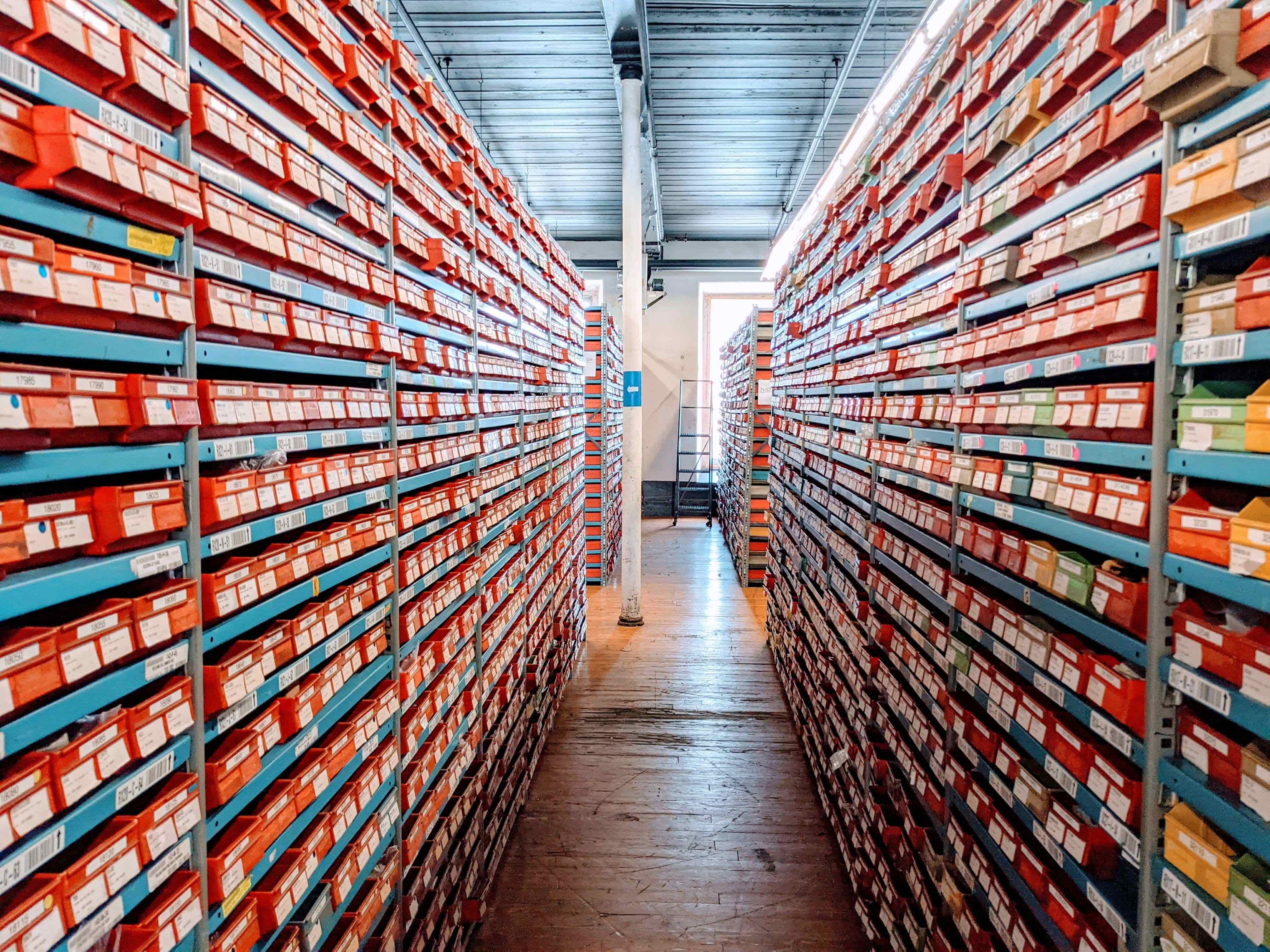
Peak season 2026, a UK ecommerce fulfilment readiness guide
September is when peak season 2026 planning needs to happen. Here is a dated readiness checklist for UK ecommerce brands covering stock, carriers and returns.
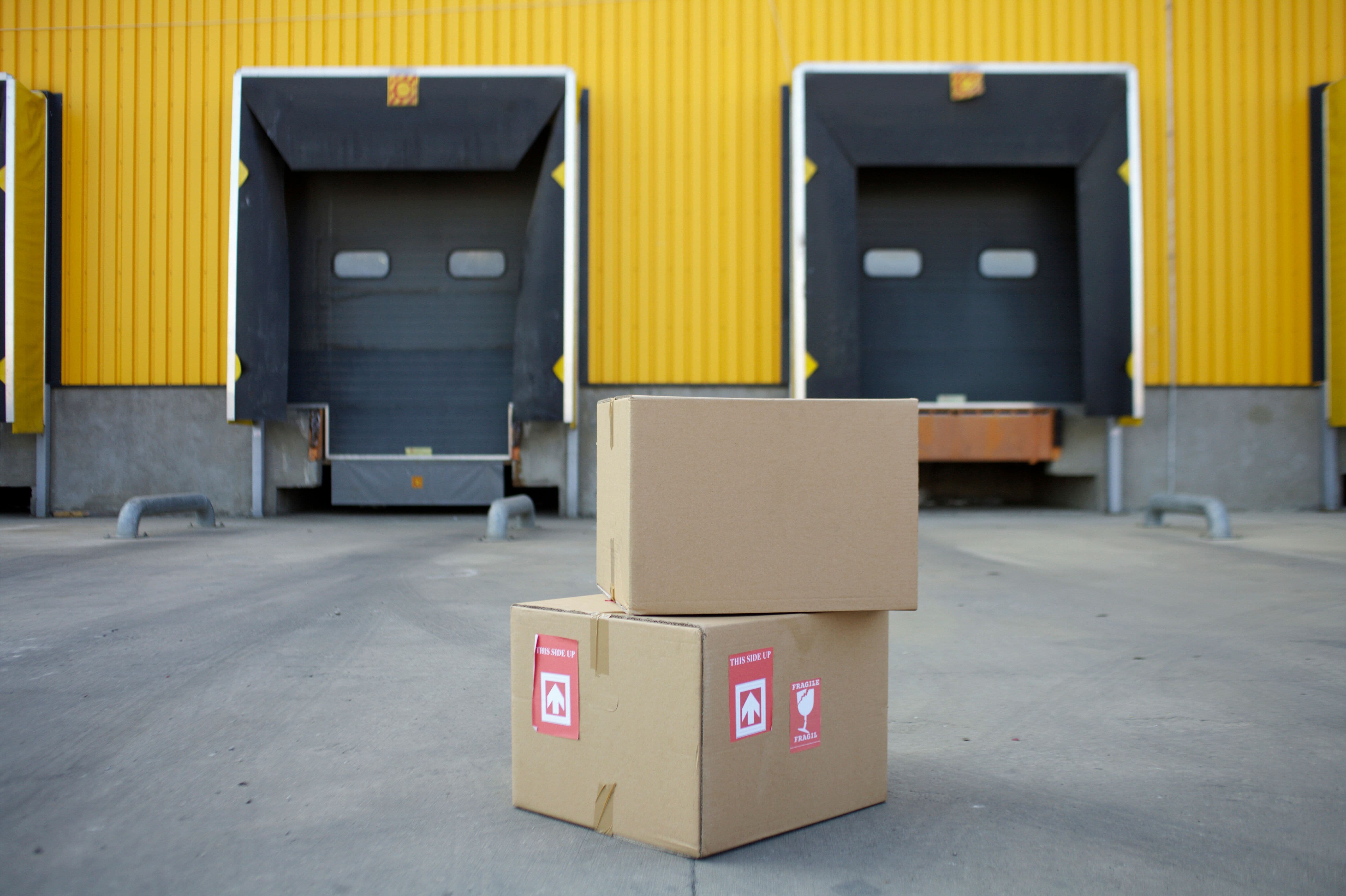
Does the EU de minimis removal affect UK sellers shipping to Europe?
The EU scrapped its €150 duty-free threshold from 1 July 2026. Here is what changed, whether it affects UK sellers, and how to keep shipments moving smoothly.
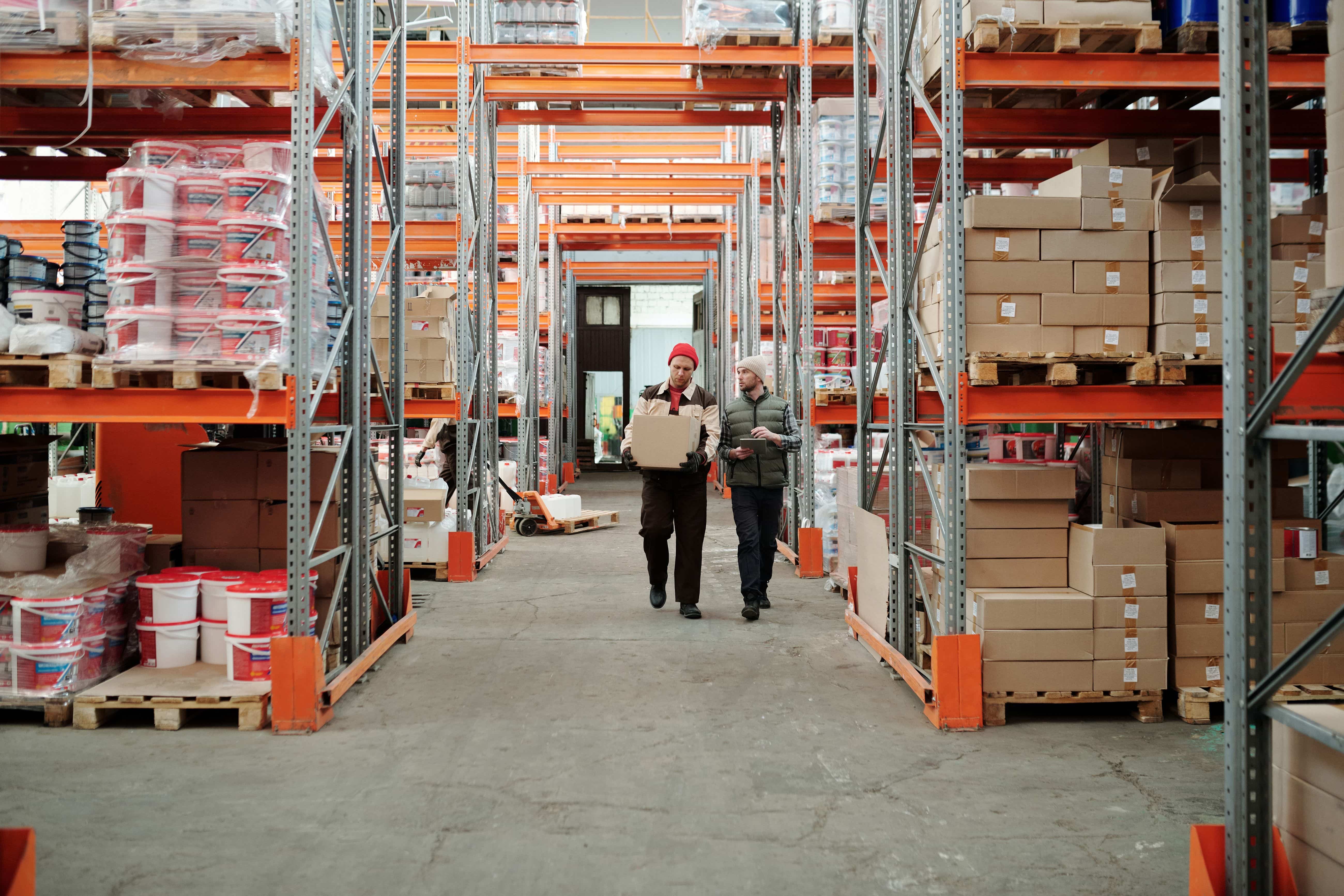
3PL fulfilment UK, what it is and how it works
Considering a 3PL for your ecommerce fulfilment? Here is what 3PL means, how it works, what it costs to run in-house, and how CSM supports growing brands.
Personal service at every stage of the process.
Get started today with a logistics partner you can rely on.