
How multi-carrier shipping works for ecommerce businesses
Multi-carrier shipping explained for ecommerce businesses. How it works, why brands use more than one carrier and when to speak to your local CSM branch.
Published
Most ecommerce businesses start with one carrier. It is simple, and for a while it works. Then the orders change: customers in different parts of the UK, a first order for Germany, a busy week when one network struggles.
Multi-carrier shipping is the answer to that problem. Instead of sending every parcel with the same carrier, you choose the best carrier for each order. Online sales made up 28.8% of retail sales in Great Britain in August 2026, according to the Office for National Statistics, so delivery is now a regular part of trading, not an afterthought. This guide explains how multi-carrier shipping works, what it changes day to day, and how to tell whether it suits your business.
What Is Multi-Carrier Shipping?
Multi-carrier shipping means using more than one carrier to deliver your orders and choosing between them for each shipment. Multi-carrier delivery sits at the other end from a single-carrier set-up, where every parcel, whatever its destination or deadline, goes through one network.
The choice is made order by order. A parcel for a consumer in Leeds, a timed delivery for a business customer, and a parcel for France may each go with a different carrier, because each carrier is strong in different places.
How Multi-Carrier Shipping Works
In practice the process follows the same steps whichever carriers are involved.
- An order arrives from your online store, marketplace or order system.
- The carrier is chosen. The decision usually depends on the destination, the service level the customer chose, the size and weight of the parcel, and any delivery deadline.
- A label is generated for the chosen carrier and attached to the parcel.
- The carrier collects the parcel, either at a scheduled collection or from a dispatch point.
- Tracking updates flow back, so you and your customer can follow the parcel.
- If the order comes back, the return is tracked in the same way.
There are two broad routes to doing this. You can open an account with each carrier yourself and use software to choose between them. Or you can work with a shipping partner that gives you access to several carriers through one account. Multi-carrier shipping solutions of both kinds exist, and the right one depends mostly on how much of the admin you want to run yourself.
Why Ecommerce Businesses Use More Than One Carrier
There are four main reasons. The first is fit: no single carrier is strongest on every route, so one may have a dense UK network and pickup points while another has stronger customs support for cross-border parcels.
The second is resilience. If a carrier's network is disrupted, a business with only one carrier has no alternative, whereas with more than one, orders can be routed elsewhere if your set-up allows.
The third is range, because timed deliveries, international express and standard economy options often sit with different carriers. The fourth is room to grow, since a new market or a new product type does not mean starting again with a new courier.
What Multi-Carrier Shipping Costs You in Admin
The benefits are real, but going direct to several carriers has a cost in time. Each carrier usually means a separate account, contract, invoice, integration with your ecommerce platform and support contact.
Multi-carrier parcel management, which means keeping track of rates, service levels, collections and invoices across several networks, quickly becomes a job in its own right.
For a small team, that overhead can outweigh the benefit. It is the main reason many growing ecommerce businesses choose an ecommerce shipping partner that handles the carrier relationships for them.
Single Carrier, Direct Carrier Accounts or a Shipping Partner
| One carrier | Several carriers, managed directly | Several carriers through a shipping partner | |
|---|---|---|---|
| Accounts and contracts | One | One per carrier | Usually one |
| Platform integration | One | One per carrier, or software to link them | Usually one |
| Choosing the carrier for each order | Not needed | Your job | Handled for you, or by agreed rules |
| Who you contact when something goes wrong | One carrier | Each carrier separately | Your account team |
| Invoicing | One | One per carrier | Usually combined |
| Best for | Low volume, one type of destination | Teams with time and software to manage it | Growing businesses with mixed destinations |
Which Carrier Suits Which Order?
There is no single best carrier for ecommerce. A useful way to think about it is by order type:
- High-volume UK consumer orders usually suit a carrier with a strong domestic network, good tracking and pickup point coverage.
- Regular European orders suit a carrier with good European coverage and clear customs handling, ideally with duties arranged so the customer does not pay at the door.
- International orders across several markets suit a carrier with a wide global network and customs support.
- Timed business deliveries suit a carrier with reliable before-noon or before-10:30am options.
A business that has all four will find that no single carrier is the best choice across the board. That is the case for multi-carrier shipping.
Is Multi-Carrier Shipping Right for Your Business?
It is worth considering if you:
- ship to a mix of UK, European and international destinations,
- have seasonal peaks that put pressure on a single network,
- are getting delivery complaints from customers in particular areas or countries,
- have outgrown the carrier you started with, or
- want more control over service levels without more admin.
If you send low volumes to one type of destination and your current carrier performs well, a single carrier may be all you need.
Two practical points make the move easier. First, check how your store connects to the carriers. A single ecommerce platform integration that handles label generation and carrier choice saves far more time than several separate ones. Second, include returns in the decision. A return is another parcel, with its own carrier and tracking, so read how returns and reverse logistics work for UK ecommerce before you settle on a set-up.
How CSM Handles Multi-Carrier Shipping
CSM gives businesses access to UPS, DHL and DPD through a single account. CSM chooses the carrier for each shipment based on destination, service level and parcel size, so you do not manage separate accounts, contracts or invoices.
The aim is to select an appropriate service from the available carrier networks rather than use one carrier for every order. The choice depends on coverage, parcel requirements and delivery deadlines.
Your store connects to CSM once, through a supported integration such as Shopify, Magento, BigCommerce, Squarespace, ShipTheory or Linnworks. Orders import automatically, labels can be generated in bulk, and collections are arranged on a schedule that suits your dispatch process.
Every shipment is tracked through your CSM online account, returns can be managed there too, and you receive one invoice a week on account, whichever carrier handled the parcel. For European orders, CSM can arrange DDP terms so your customers do not face unexpected charges at the door.
Your account is looked after by a dedicated team, with no call centres. If you are not sure which carrier suits a new market or a particular product, contact your local CSM branch and the team can advise. Opening an account does not commit you to sending a minimum volume of parcels. You can read more about ecommerce shipping solutions at CSM, and once your account is open you can connect your store and start shipping.
FAQs
What is multi-carrier shipping?
Multi-carrier shipping means using more than one carrier to deliver your orders and choosing the carrier for each shipment, based on things like destination, service level, parcel size and deadline. It is the opposite of sending every parcel with a single carrier.
Is multi-carrier shipping worth it for a small ecommerce business?
It can be, if you ship to a mix of destinations or want a back-up when one carrier struggles. If you send low volumes to one type of destination, a single carrier may be enough. The deciding factor is often admin: managing several carrier accounts yourself takes time, which is why many small businesses use a shipping partner instead.
How does multi-carrier delivery work with my online store?
Your store passes each order to a shipping system. That system, or the shipping partner behind it, chooses the carrier, generates the label and arranges collection. Tracking then updates as the parcel moves. The simplest set-up is one integration between your store and one account that covers several carriers.
Do I need a separate account with each carrier?
Not necessarily. You can open an account with each carrier yourself, or use a shipping partner that gives you access to several carriers through one account, one integration and one invoice.
What do shipping partners for ecommerce do?
They manage the carrier side of your deliveries. That usually means access to several carriers, label generation, collections, tracking, returns and invoicing from one place, so your team spends less time dealing with each carrier separately.
What happens if one carrier is disrupted?
If your only carrier experiences a disruption, deliveries using that network may be delayed. With multiple carriers, you have more flexibility to use an alternative network, subject to availability and your shipping arrangements.
Further Reading
- DDP shipping from the UK to Europe - how duties can be paid up front so EU customers are not charged on delivery
- UK to EU shipping solutions for ecommerce brands - the options for sending ecommerce orders into Europe
- Ecommerce fulfilment services in the UK - outsourcing storage, picking, packing and dispatch
- Peak season 2026 ecommerce fulfilment readiness guide - preparing an ecommerce operation for the busiest weeks
Related articles

How next day delivery works in the UK and what can affect it
Next day delivery explained for UK businesses. How it works, cut-off times, what guaranteed next day delivery means and when to ask your local CSM branch.
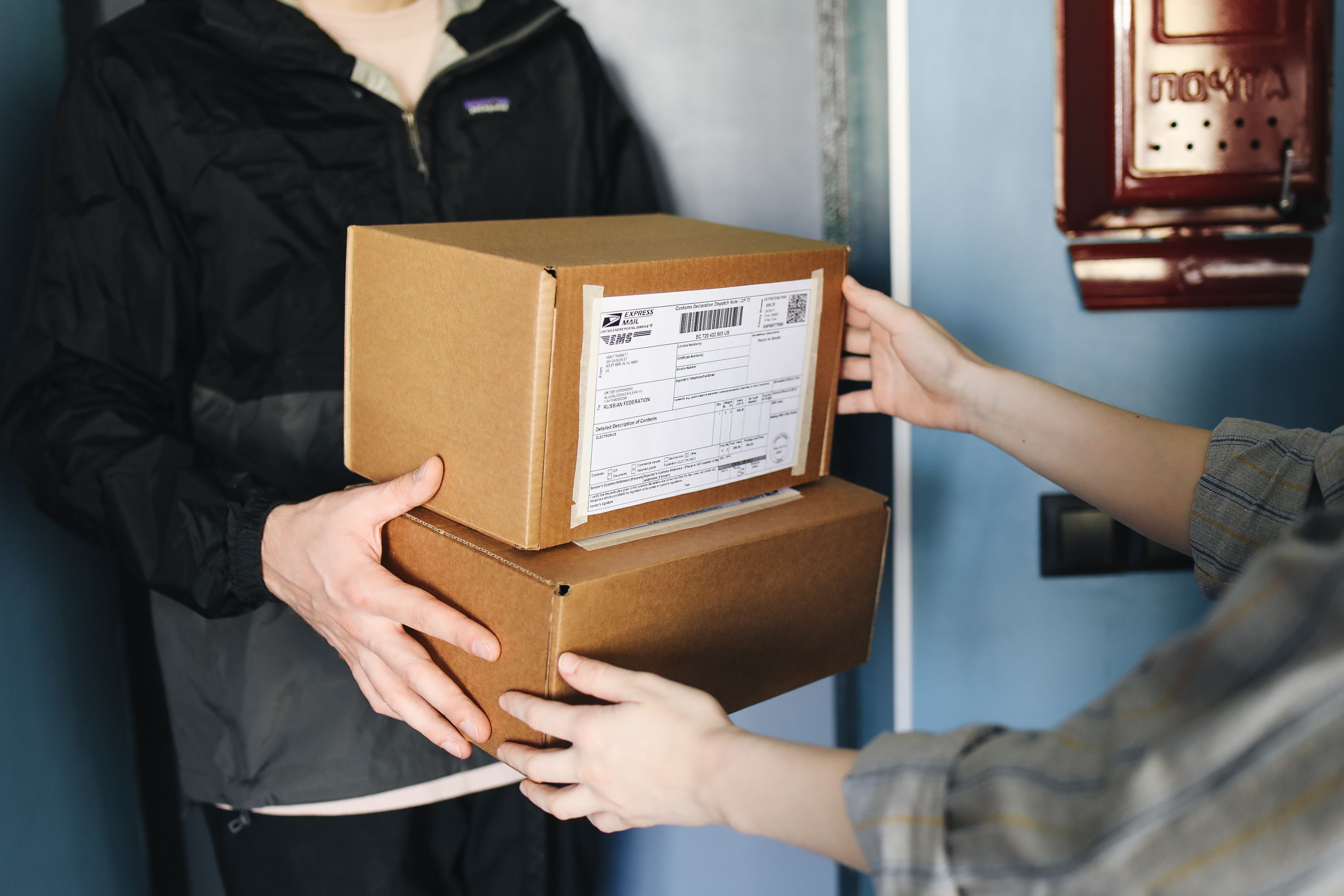
What same day delivery is and when a business actually needs it?
Same day delivery explained for UK businesses. See how it works, when you need it, how it differs from next day and when to speak to your local CSM branch.
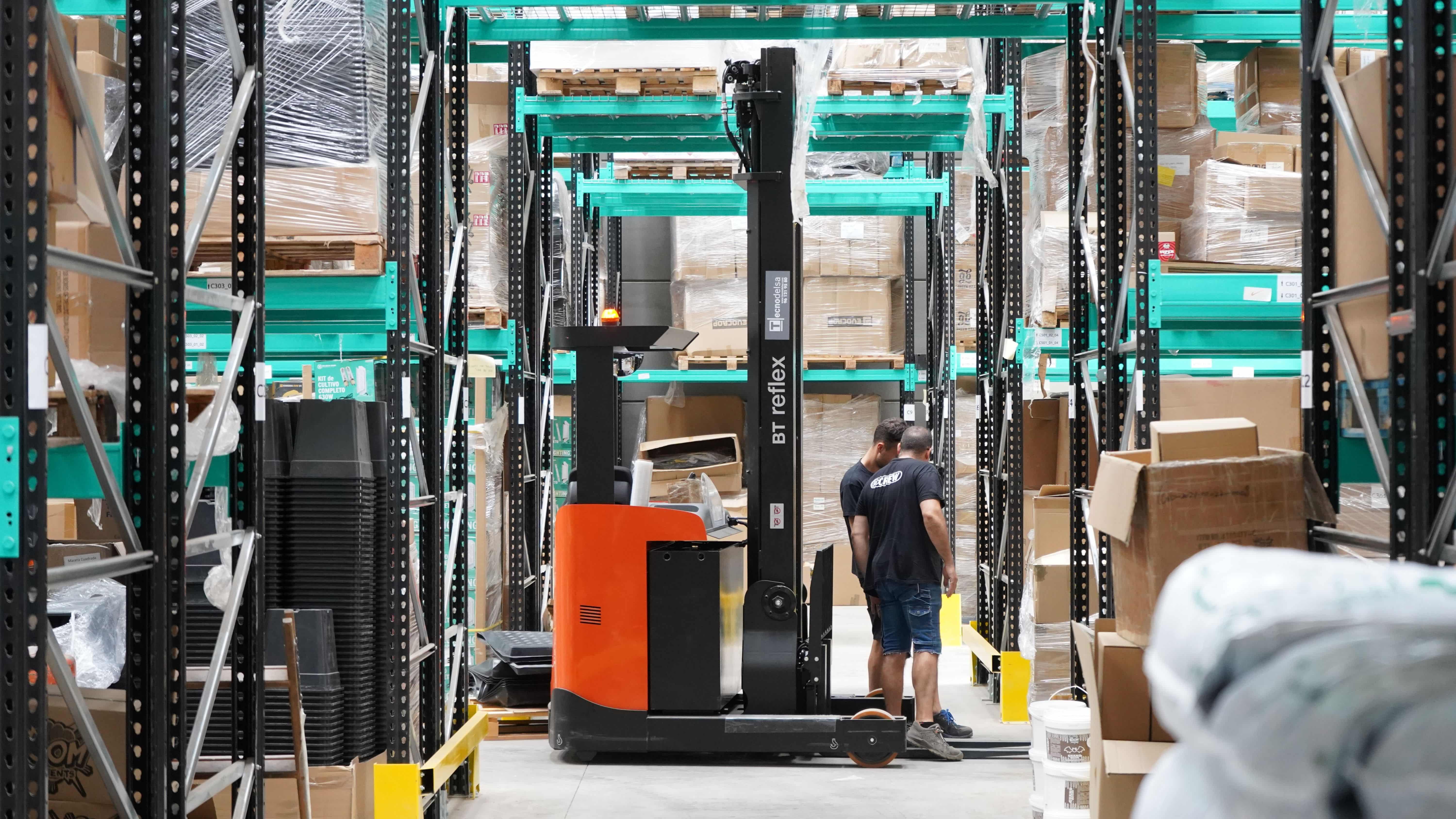
Ecommerce fulfilment services in the UK: what they are and why more brands are outsourcing
Ecommerce fulfilment services explained: what's included, how outsourcing works, and why more UK brands are moving fulfilment off-site.

Returns and reverse logistics, why UK ecommerce returns cost more than you think
Returns are one of the biggest hidden costs in UK ecommerce. Here is what reverse logistics actually involves, what returns really cost, and how to manage it.
Personal service at every stage of the process.
Get started today with a logistics partner you can rely on.