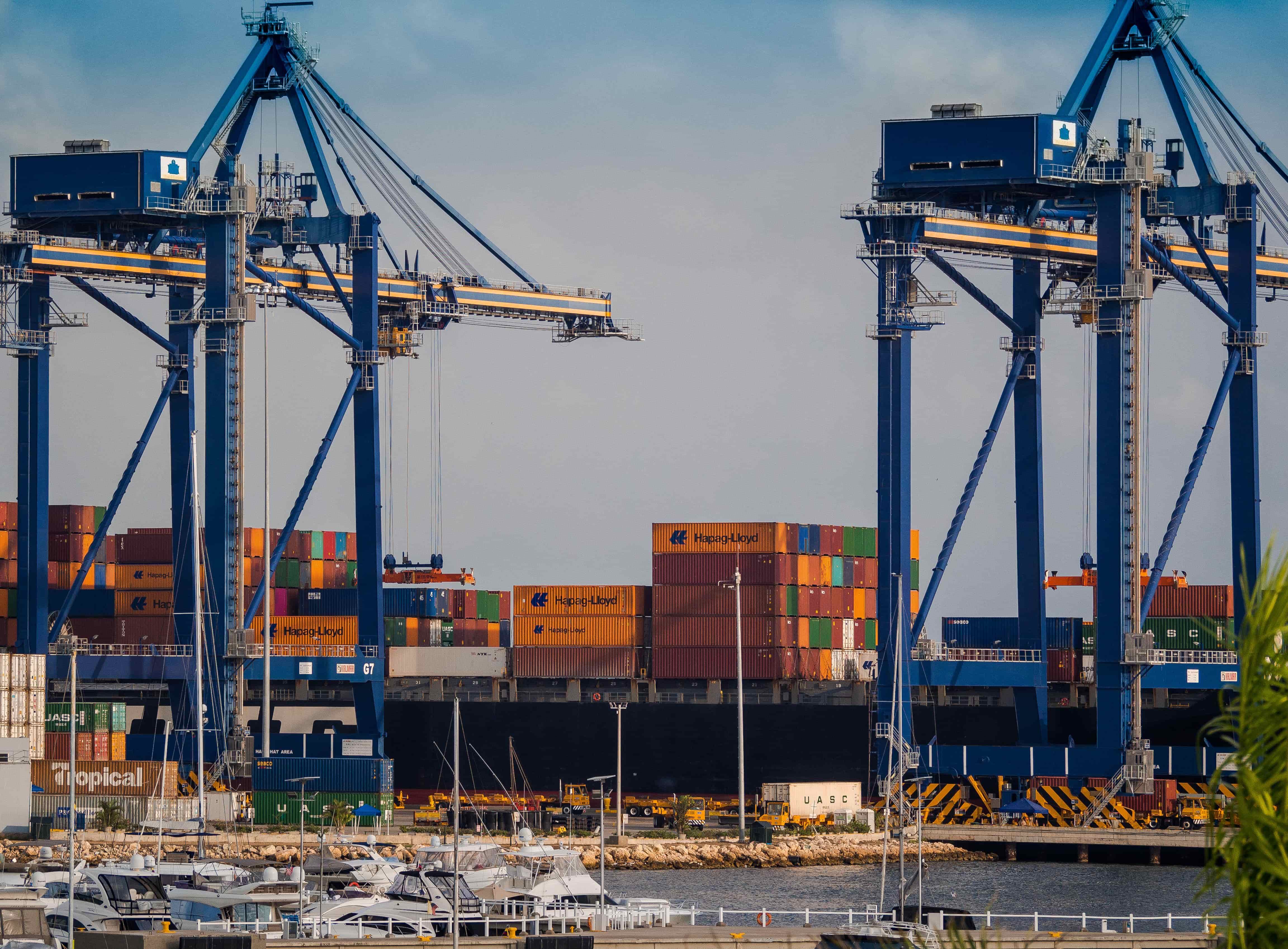
What customs clearance is and how long it takes for UK imports
Customs clearance explained for UK businesses. What happens, how long it takes, what can cause delays and when to ask your local CSM branch for advice.
Published
Goods coming into the UK cannot be released to the buyer until customs has processed them. When the paperwork is right this step goes unnoticed, and when it is not, a shipment can sit for days while everyone asks where it is.
This guide explains what customs clearance is, what happens during import customs clearance, how long it takes, and what you can do to keep goods moving when you are importing goods into the UK.
Clearance times vary depending on the shipment and the checks required. For certain documentary checks on goods that have already arrived, HMRC publishes clearance timings of two to three hours, depending on the transport method and when supporting documents are received.
What is customs clearance?
Customs clearance is the process of declaring goods to the customs authority so they can be checked, assessed for duty and tax, and released. In the UK the declaration goes to HMRC, which decides whether to release the goods straight away or check them first. The same process applies in reverse when goods leave the country.
Import customs clearance is the part that matters most to businesses buying from overseas suppliers. It decides when the goods can be released, how much duty and import VAT is due, and whether anything needs a licence before it can enter.
The customs clearance process for UK imports
Here are the usual customs clearance steps for commercial imports into Great Britain, based on GOV.UK import guidance. Different requirements may apply to movements involving Northern Ireland.
- Get a GB EORI number. A business needs an EORI number that starts with GB to import goods into England, Wales or Scotland.
- Find the commodity code for the goods. It goes on the import declaration and determines the rate of duty and whether an import licence is needed.
- Work out the value of the goods. The value on the declaration is used to calculate duty and VAT.
- Make the import declaration. You can do this yourself or appoint a transporter or customs agent. GOV.UK says most businesses that import goods use a transporter or customs agent.
- Pay or account for duty and import VAT. Eligible VAT-registered businesses can reclaim import VAT using the appropriate documentation, or use postponed VAT accounting to declare and recover import VAT on the same VAT return, subject to the normal VAT recovery rules.
- Goods are released, or checked first. If your declaration is selected for a check, supporting documents are requested before the goods are released.
How long does customs clearance take?
There is no single answer. Clearance time depends on which customs processes a shipment needs, and many shipments clear quickly when the paperwork is complete, either in transit or on arrival. A shipment that is selected for further checks takes longer.
GOV.UK sets out timings for declarations that HMRC selects for a documentary check. Once you have sent the supporting documents, arrived goods should be cleared within 2 hours for air freight imports, road freight imports and short strait roll-on roll-off imports. Marine freight imports are cleared within 3 hours if the documents arrive between 8am and 3pm, or by 8am the next day if they arrive after 3pm.
Those times start when the documents are received, not when the goods are booked, and they only apply when a check has been triggered. Declarations are generally dealt with in the order they are presented, although HMRC gives higher priority to certain sensitive shipments, such as live animals and human remains. Clearance is only one part of a journey, so collection, transport and delivery all add their own time.
What can slow customs clearance down
GOV.UK lists the usual reasons goods are held at the border: the wrong amount of duty or VAT has been paid, the right import licence is missing, the goods fail an inspection, or they have been combined with a shipment that was held up.
In practice, many delays start earlier, with the paperwork. A vague goods description, a missing commodity code, a wrong value or a missing EORI number can all lead to a query. CSM's customs guidance says generic or broad descriptions are likely to cause delays, so a description needs to say what the goods are, what they are made of and what they will be used for.
If HMRC raises a query, a message is sent to the importer's secure inbox in the Customs Declaration Service. Replying through that inbox, with everything asked for, helps prevent the delays that follow when a query is left unanswered.
Documents you need for customs clearance
A commercial invoice is needed for goods crossing the border, and it should include:
- the sender and consignee EORI numbers, where they apply to business to business shipments
- the commodity code for each product
- a full description of the goods
- the country of origin, which is where the goods were made, not where they were shipped from
- the total value and the currency
- contact details for both parties
Some goods are restricted and need registration, licences or certificates before they can be imported, for example certain plant and animal products, high-risk food, medicines and chemicals. If you want to pay a lower rate of duty under a trade agreement, you will also need proof of origin, and our guide to rules of origin explains how that works.
Who can handle customs clearance
You can make import declarations yourself or appoint someone to do it for you. Doing it yourself means having an EORI number and the right systems to submit declarations to HMRC. Appointing a customs agent, or importing through a courier that handles customs, means someone else prepares and submits the declaration. When you import by courier, the carrier's customs team often handles the declaration, so it is worth asking what is included before the shipment is booked.
How to keep customs clearance quick
- Give a specific goods description that matches the commercial invoice.
- Check the commodity code before the goods ship, not after they arrive.
- Make sure the EORI numbers and contact details are correct on every document.
- Send the invoice with the shipment and tell your supplier what it must include.
- If you are asked for documents, reply promptly with everything in one go.
- Where appropriate, ask your customs agent or carrier to submit the declaration before the goods arrive. The applicable submission deadlines depend on the import procedure and route.
- Allow for clearance when you plan stock, especially for goods that are regulated or need a licence.
How CSM handles customs clearance for imports
CSM helps businesses arrange imports into the UK, with support for carrier selection, customs documentation and delivery. Your local CSM branch can advise on the booking process, collection arrangements and customs requirements for your shipment.
If you use a duty deferment account, speak to your local CSM branch about how the paperwork and payment arrangements can be handled. The team can also advise on how duties and taxes are collected for your shipment. The invoice needs the sender EORI and the consignee EORI where it applies to a business shipment, the correct commodity codes, a full description of the shipment and contact details for both parties. How long clearance takes depends on the customs processes a shipment needs, so for a specific shipment your local branch can advise.
For larger shipments, CSM's associate companies AFFA and Sandrair provide air freight import services including customs clearance, and deep-sea container shipping includes full customs clearance and a door-to-door service.
You can read more on our worldwide parcel delivery page, or speak to your local CSM branch about an import you are planning.
FAQs
How long does customs clearance take in the UK?
It depends on the shipment. Many clear quickly when the paperwork is complete, and shipments selected for a check take longer. For declarations that HMRC selects for a documentary check, GOV.UK says arrived goods should be cleared within 2 hours of the documents being sent for air, road and short strait imports, and within 3 hours for marine freight if the documents arrive between 8am and 3pm, or by 8am the following day if received after 3pm. Your local CSM branch can advise on a specific shipment.
What does customs clearance completed mean?
It normally means customs has finished processing the shipment and released it, so it can move on towards delivery. If the next tracking update does not follow, contact your carrier or your local CSM branch with the tracking number and ask what the next step is.
Who pays duty and import VAT on imports?
Duty and import VAT are assessed through the customs declaration. Who bears the cost between you and your supplier depends on the Incoterm you agreed, such as DAP or DDP. Eligible VAT-registered businesses can recover import VAT using the appropriate documentation or use postponed VAT accounting, subject to the normal VAT recovery rules. Your local CSM branch can advise on duty deferment and payment arrangements for your shipment.
Do I need a customs agent to import goods?
No, you can make the declaration yourself. You will need an EORI number and the right systems to submit it. GOV.UK says most businesses that import goods use a transporter or customs agent, and when you import by courier the carrier's customs team often handles it as part of the service.
What documents do I need for customs clearance?
A commercial invoice with the sender and consignee EORI numbers where they apply, the commodity code for each product, a full description of the goods, the country of origin, the total value and currency, and contact details for both parties. Some goods also need licences or certificates, and proof of origin is needed to claim a lower duty rate under a trade agreement.
Why is my shipment held at customs?
GOV.UK gives the usual reasons: the wrong amount of duty or VAT was paid, an import licence is missing, the goods failed an inspection, or they were combined with a shipment that was held up. Unclear descriptions and missing codes or EORI numbers also cause queries. Contact your local CSM branch if a shipment you are expecting has stopped moving.
Further reading
- Importing goods to the UK - how CSM's import service works
- Make duties and taxes hassle-free for you and your customers - options for paying duties and taxes
- European Union import customs guidelines - what to put on a commercial invoice
Related articles
Large parcel size and how to measure a long or oversized parcel
Large parcel size explained for businesses. How to measure length and girth, what counts as long or oversized, and when to ask your local CSM branch for help.

A business guide to shipping to the USA from the UK
Shipping to USA from UK explained for businesses. Duties, documents, delivery options and what has changed, plus when to ask your local CSM branch for advice.

EU Product Identifiers (PIDs) 2026: What UK Businesses Shipping to the EU Must Know
Product Identifiers are now mandatory for low-value B2C parcels into the EU. Find out what PIDs are, how to format them and how to avoid customs delays.
What to look for in a B2B parcel delivery service
B2B parcel delivery explained for UK businesses. What to look for in accounts, collections, tracking and support, and when to ask your local CSM branch.
Personal service at every stage of the process.
Get started today with a logistics partner you can rely on.