
Peak season 2026, a UK ecommerce fulfilment readiness guide
September is when peak season 2026 planning needs to happen. Here is a dated readiness checklist for UK ecommerce brands covering stock, carriers and returns.
Published
September is peak season readiness month, whether it feels like it yet or not. For UK ecommerce Christmas 2026 planning, the decisions and bookings made this month largely determine how smoothly November and December actually run. Waiting until October to confirm fulfilment capacity, carrier volumes or stock levels leaves very little room to fix problems once demand actually arrives.
This guide sets out a dated readiness timeline for peak season ecommerce operations, covering what to have in place by when, rather than general advice with no schedule attached. Whether your business handles Black Friday shipping across the UK or focuses purely on Christmas delivery, the same ecommerce peak preparation principles apply, and getting the timing right matters more than any single tactic.
Why September Matters for Peak Season Fulfilment
The scale of peak parcel volumes handled by UK carriers has grown consistently. In the final quarter of 2025 alone, Royal Mail's UK parcel volumes grew 8% to 424 million, according to its own trading update, and that was before the busiest weeks of December had even started.
Carrier peak season constraints are real and increasingly formalised: Royal Mail introduced a peak business collection cap limiting daily volumes to three times normal capacity from August 2026, which means businesses relying on a single carrier can hit a hard ceiling during exactly the weeks that matter most.
Returns add a second wave of pressure once the main selling period ends. Returns volumes have historically spiked sharply in the first week of December following Black Friday Cyber Monday shipping activity, and January brings a further peak as post-Christmas returns and exchanges land all at once. Peak season readiness means planning for both ends of this cycle, not just the outbound rush.
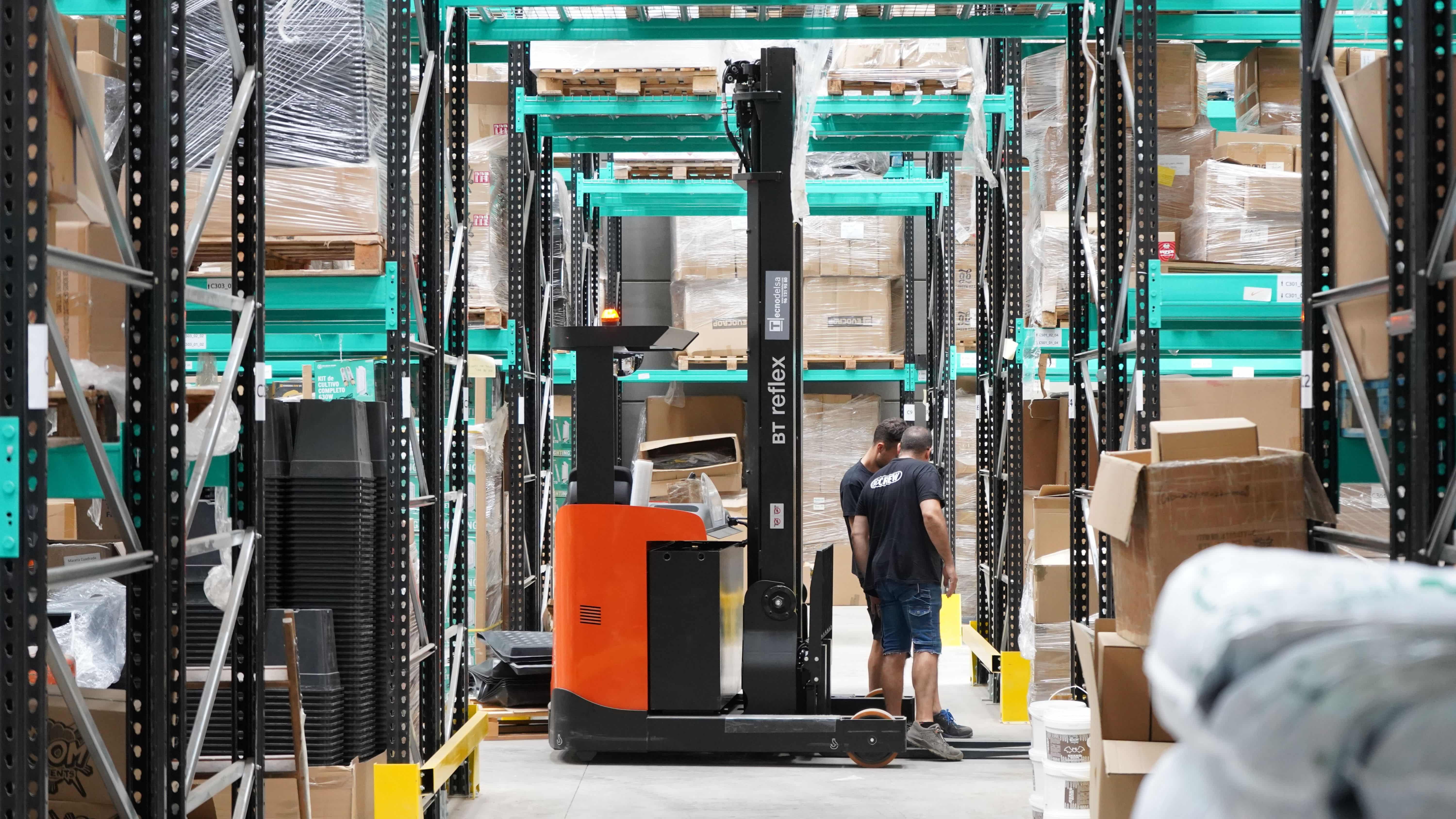
Black Friday fulfilment and the weeks either side of it also put real pressure on peak season warehouse capacity. A warehouse that comfortably handles a normal week's volume can be overwhelmed once order counts triple or quadruple, which is why capacity planning needs to happen before the surge, not during it. For businesses with high regular dispatch volumes, see our bulk and high-volume shipping page for detail on how CSM supports consistent, large-volume fulfilment.
The Peak Season 2026 Readiness Timeline
By 1 September, Confirm Your Fulfilment Capacity
This is the point by which your fulfilment operation, whether in-house or through a 3PL peak season partner, should know your expected order volumes for the coming quarter. Provide week-by-week volume forecasts so your fulfilment partner can plan staffing and warehouse capacity accordingly. If you are still deciding between fulfilment options, our guide to 3PL fulfilment UK covers what to look for in a provider that can handle seasonal spikes without disruption.
If you are considering switching providers or adding fulfilment locations for peak, this window is closing. Implementation, testing and staff training all take time, and starting the process in October leaves too little runway before demand arrives. For multi-channel sellers managing Amazon FBM alongside other platforms during peak, see our guide to Amazon selling from the UK for how to structure fulfilment across channels.
By Early September, Review Your Carrier Setup
Peak season stock planning needs to happen alongside a review of your carrier arrangements. If your business relies on a single carrier, this is the moment to ask what happens if that carrier hits its own capacity limits during peak weeks. A multi-carrier setup gives you somewhere to route volume when one network is stretched, rather than accepting delays because there is no alternative. For more detail on how different carriers perform across different shipment types, see our guide to best parcel carriers for ecommerce.
This is also the point to confirm what courier peak surcharges apply to your account for November and December, and to understand any courier collection limits that apply during peak periods, so pricing and capacity planning both reflect the real picture rather than assumptions carried over from a quieter month.
By Early October, Complete Integration and Process Testing
Whatever systems connect your store to your fulfilment and courier operation should be tested under realistic load before peak begins, not during it. A warehouse or dispatch process that handles normal daily volumes comfortably can be overwhelmed when order volumes triple or quadruple in late November. Testing integration, order flow and label generation now, while volumes are still manageable, avoids discovering a bottleneck during the busiest week of the year.
Three Weeks Before Peak, Finalise Inventory
All stock intended for peak season should be received, counted and put away at your fulfilment centre with three weeks to spare. Inventory arriving during peak itself competes directly with outbound orders for warehouse time and dock capacity, which slows down dispatch precisely when speed matters most.
30 Days Before Peak, Confirm Customer Communication
Christmas delivery cutoff dates need to be published clearly on your site well before customers start ordering with Christmas delivery in mind. Couriers typically confirm their own Christmas shipping deadlines 2026 in October, so build your own customer-facing cutoff dates around your carrier's confirmed schedule once available, with a sensible buffer, rather than guessing early and having to walk it back.
14 Days Before Peak, Run a Full Readiness Check
With two weeks to go, confirm inventory status, courier account setups and who to contact if something goes wrong during the busiest weeks. If you work with a fulfilment partner, this is worth doing as a direct conversation rather than an email exchange, so any last-minute issues get flagged and resolved while there is still time to act.
Planning for Peak Season Returns
Peak season returns deserve as much planning attention as the outbound rush. Returns volumes typically spike sharply in the days immediately following Black Friday, and again after Christmas as gifts get exchanged or returned. A fulfilment operation that has not planned for this finds returns competing directly with new order dispatch for the same warehouse space and staff time, at the worst possible moment.
Deciding your returns policy, restocking process and refund timelines before peak begins, rather than improvising once returns start arriving, keeps this manageable rather than becoming a second operational crisis in January.
How CSM Supports Peak Season Fulfilment
CSM's multi-carrier account gives ecommerce businesses access to UPS, DHL and DPD from a single relationship, meaning peak season volume can be routed around capacity constraints on any one network rather than being stuck when a single carrier reaches its limit.
This kind of flexible peak season logistics support can be especially valuable for UK ecommerce businesses during the busiest weeks of the year. CSM's London-based fulfilment centre handles storage, pick and pack, dispatch and returns processing, with no minimum volume commitment.
There are no call centres. During the weeks that matter most, your account is managed by a named team who already understands your business, not a queue. For more general guidance on how CSM supports businesses through the busiest months, see our existing guides on coping with peak delivery season and how CSM ensures timely delivery in peak season, and our page on Christmas shipping deadlines for specific cutoff information as dates are confirmed.
To discuss your peak season 2026 fulfilment plan, contact your local CSM branch or find out more about our ecommerce shipping solutions.
Frequently Asked Questions
When Should I Start Preparing for Peak Season 2026?
September is the key month for locking in fulfilment capacity and carrier arrangements. Volume forecasts should be shared with your fulfilment partner by early September, with integration testing completed by early October, giving enough runway before demand builds through November and December.
How Do I Avoid Carrier Capacity Problems During Peak?
Using more than one carrier reduces the risk of hitting a single network's capacity limits during the busiest weeks. Confirm your account's peak surcharges and collection limits with each carrier in advance, rather than discovering constraints once volumes have already increased.
When Will Christmas Shipping Deadlines 2026 Be Confirmed?
Couriers typically publish their Christmas cutoff dates in October. Build your own customer-facing delivery deadlines around your carrier's confirmed schedule, with a sensible buffer, once these are available.
How Should I Plan for Peak Season Returns?
Decide your returns policy, restocking process and refund timelines before peak begins. Returns volumes spike sharply after Black Friday and again after Christmas, and planning for this in advance prevents it from competing directly with outbound dispatch capacity when both are under pressure.
Related articles

How next day delivery works in the UK and what can affect it
Next day delivery explained for UK businesses. How it works, cut-off times, what guaranteed next day delivery means and when to ask your local CSM branch.

What same day delivery is and when a business actually needs it?
Same day delivery explained for UK businesses. See how it works, when you need it, how it differs from next day and when to speak to your local CSM branch.
Ecommerce fulfilment services in the UK: what they are and why more brands are outsourcing
Ecommerce fulfilment services explained: what's included, how outsourcing works, and why more UK brands are moving fulfilment off-site.

Returns and reverse logistics, why UK ecommerce returns cost more than you think
Returns are one of the biggest hidden costs in UK ecommerce. Here is what reverse logistics actually involves, what returns really cost, and how to manage it.
Personal service at every stage of the process.
Get started today with a logistics partner you can rely on.